

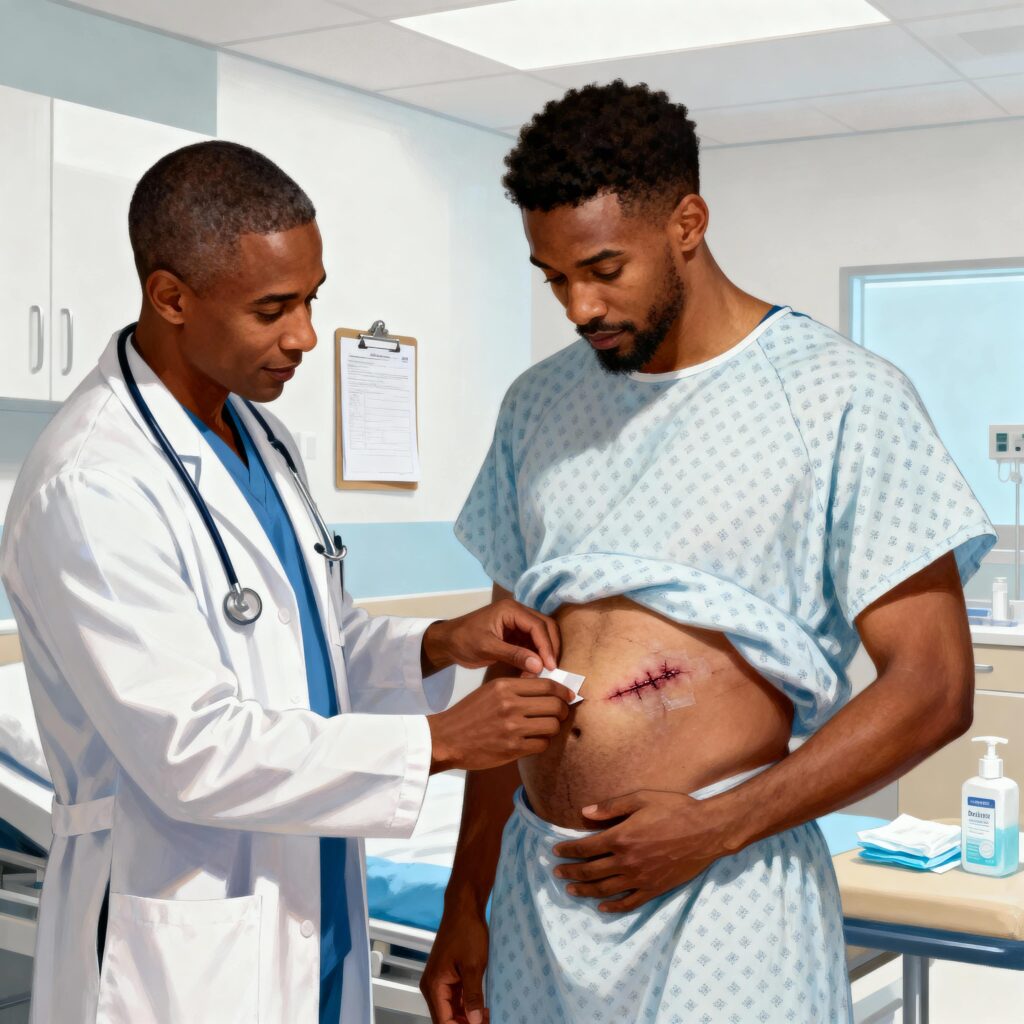
Hospital readmissions within 30 days of discharge create significant health risks and financial burdens. Wound-related complications represent one of the leading causes of unplanned hospital returns, accounting for thousands of preventable readmissions annually. Understanding how professional wound care to reduce readmissions works—and implementing it from the moment you return home—can protect your recovery and prevent dangerous setbacks.
The Hospital Readmission Crisis and Wound Complications
Understanding 30-Day Readmission Rates
Hospital readmissions occur when patients return within 30 days of discharge. Medicare and insurance companies track these rates closely because they often indicate inadequate transitional care or preventable complications.
Critical Statistics:
- Approximately 20% of Medicare patients are readmitted within 30 days
- Surgical site infections account for 15-25% of post-surgical readmissions
- Wound complications cause thousands of emergency visits annually
- Readmission costs Medicare over $17 billion annually
Common Wound-Related Readmission Causes: Surgical site infections requiring IV antibiotics, wound dehiscence (incision separation) needing revision, uncontrolled drainage or bleeding, pressure injuries worsening at home, diabetic foot ulcers becoming infected, and inadequate wound care knowledge.
Why Wounds Are High-Risk for Readmission
- Patient Vulnerability: Recently discharged patients often feel weak, have limited mobility, and struggle with self-care—creating conditions for wound complications.
- Knowledge Deficit: Most patients receive minimal wound care education before discharge, leaving them unprepared to recognize problems or perform proper post-surgery wound care.
- Access Barriers: Difficulty scheduling follow-up appointments, transportation challenges, and clinic wait times delay necessary monitoring.

How Professional Wound Care Prevents Hospital Readmissions
Early Complication Detection
The most powerful readmission prevention strategy is catching problems before they become emergencies. Professional in-home wound care services provide regular monitoring that identifies concerning changes immediately.
What We Monitor:
- Infection Signs: Redness, warmth, purulent drainage, odor, fever—caught early, infections can be treated outpatient with oral antibiotics
- Wound Dehiscence: Incision separation detected early can often be managed with advanced therapies like NPWT
- Delayed Healing: Wounds not progressing appropriately receive intervention before failure occurs
- Surrounding Skin Issues: Maceration, allergic reactions, or pressure damage addressed early
Burlington Case Example: A 68-year-old diabetic patient underwent abdominal surgery. During our day 5 post-discharge visit, our specialist noticed subtle redness and warmth. Wound culture identified early infection, and oral antibiotics immediately resolved it within one week—no emergency room visit, no readmission, no IV antibiotics needed.
Expert Wound Management
Professional wound care to reduce readmissions goes beyond observation—active treatment prevents complications.
- Appropriate Dressing Selection: Using the right wound care supplies maintains optimal moisture balance, prevents infection, and promotes closure.
- Proper Technique: Sterile technique during dressing changes minimizes infection risk. Studies show professional wound care achieves significantly lower infection rates than self-care.
- Debridement When Needed: Removing non-viable tissue prevents infection—a skilled procedure requiring professional expertise.
- Advanced Therapies: Early implementation of NPWT, bioengineered products, or specialized dressings prevents wound failure.
Patient and Caregiver Education
Knowledge gaps contribute significantly to readmissions. Professional wound care services bridge this gap.
What We Teach: Recognizing normal versus concerning wound changes, proper hand hygiene, activity restrictions, nutrition for healing, when to call versus seeking emergency care, and medication compliance.
Educational Impact: Studies demonstrate that patients receiving professional wound education have 40-60% lower readmission rates compared to those receiving only verbal discharge instructions.
Coordinated Care Communication
Readmissions often occur due to fragmented care. Professional wound care services coordinate seamlessly with your healthcare team through regular physician updates, immediate notification of concerning changes, coordination of interventions, and shared documentation.
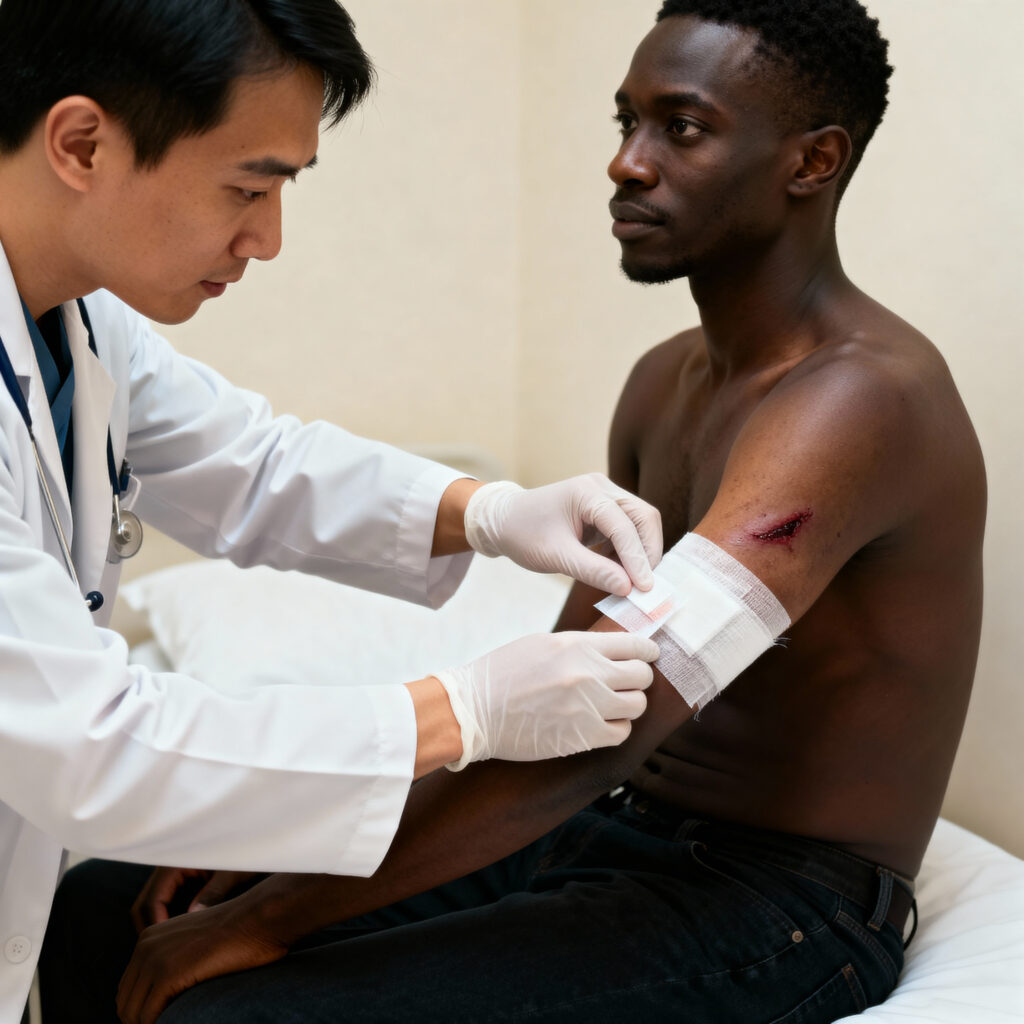
Rutland Case Example: A patient’s surgical wound showed dehiscence signs during our day 7 visit. We immediately photographed the wound, contacted the surgeon, and coordinated NPWT initiation that afternoon—avoiding emergency department visits and likely readmission.
Specific Wound Types and Readmission Prevention
Post-Surgical Wound Care
High-Risk Surgeries: Abdominal procedures, cardiac surgery, orthopedic operations, vascular interventions
Prevention Strategies:
- Assessment within 24-48 hours of discharge
- 2-3 weekly visits initially
- Suture/staple removal at appropriate timing
- Pain management optimization
- Activity progression guidance
Vermont Success: Our post-surgical wound care program serves patients discharged from UVM Medical Center, Central Vermont Medical Center, and Rutland Regional with exceptional readmission prevention results.
Diabetic Wound Care
Readmission Risks: Diabetic foot ulcers have 25-30% readmission rates without specialized care, often due to infection progressing to osteomyelitis or sepsis.
Prevention Strategies:
Specialized diabetic wound care addressing neuropathy, vascular disease, immune dysfunction, aggressive infection monitoring, offloading, blood sugar optimization, and regular vascular assessments.
Montpelier Case Example: A patient with diabetic foot ulcer discharged after IV antibiotic treatment received our care three times weekly. The ulcer healed in 10 weeks without readmission—patients with this profile have 40% likelihood of readmission without professional care.
Pressure Injury Management
Prevention Strategies: Pressure-redistributing surfaces, turning schedules, nutritional optimization (pressure injuries won’t heal without adequate protein), advanced dressings, and caregiver education.
The Economics of Professional Wound Care
Cost of Readmissions
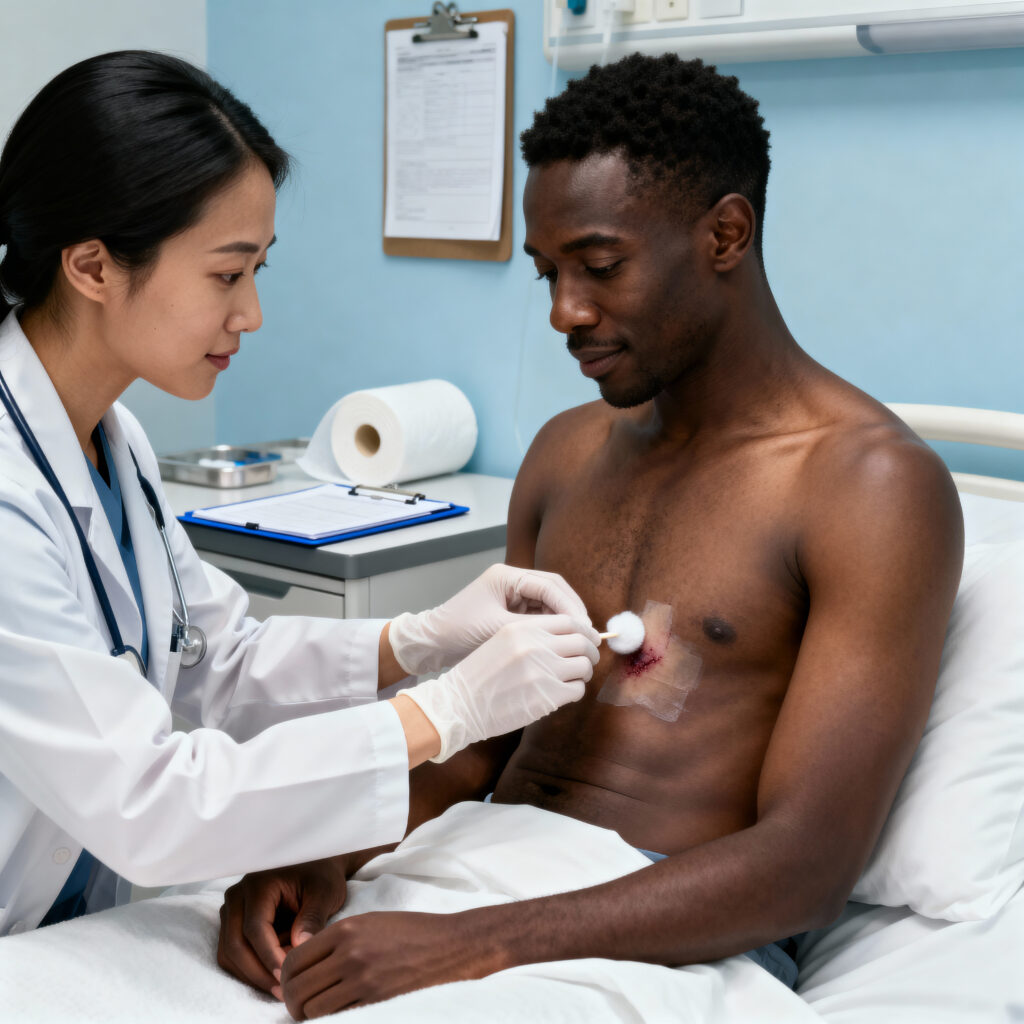
- Hospital Costs: Average readmission costs $15,000-$20,000; surgical readmissions for wound complications can exceed $30,000
- Patient Costs: Additional deductibles and co-pays, lost income, increased complication risk, emotional toll
Cost-Effectiveness of Prevention
Professional Wound Care Investment: Medicare and insurance cover services when medically necessary, typically $150-$300 per visit
Return on Investment: Preventing even one readmission saves $15,000-$30,000—more than covering weeks of professional wound care
Hidden Savings: Faster healing means quicker return to work, reduced caregiver burden, better quality of life
Implementing Readmission Prevention
Before Hospital Discharge
- Request wound care referral from your discharge planner or surgeon
- Understand your wound type and expected healing timeline
- Get written instructions—verbal guidance is insufficient
Within 24-48 Hours of Coming Home
- Schedule first assessment (we typically visit within 24-48 hours)
- Review medications to ensure understanding
- Establish emergency contact for wound concerns
Ongoing Prevention
- Attend all scheduled visits
- Report any changes immediately
- Follow activity restrictions carefully
- Maintain proper nutrition with adequate protein and calories
Vermont Resources for Readmission Prevention
Woundara’s Readmission Prevention Program
- Rapid response: in-home assessments within 24-48 hours of hospital discharge
- Coordinated transitions with hospital discharge teams
- Hospital partnerships: UVM Medical Center, Central Vermont, Rutland Regional
- 24/7 availability for urgent concerns
- Covered by Medicare and most insurance plans
Getting Started
Phone: 802-801-0008
Email: intake@woundara.com
We Accept: Hospital discharge referrals, physician referrals, patient self-referrals, family/caregiver requests
Available Throughout Vermont: Burlington, Montpelier, Rutland, Brattleboro, and all communities statewide
Frequently Asked Questions
When should wound care services begin after hospital discharge?
Ideally within 24-48 hours. Early assessment catches problems before they escalate into readmission-requiring complications.
When should wound care services begin after hospital discharge?
Ideally within 24-48 hours. Early assessment catches problems before they escalate into readmission-requiring complications.
Will insurance cover professional wound care to prevent readmissions?
Yes. Medicare and most insurance plans cover medically necessary home wound care services when you’re homebound and have qualifying wounds.
What if I feel fine—do I still need professional wound care?
Many serious wound complications develop without symptoms initially. Regular professional monitoring catches problems in early, treatable stages.
How long do wound care services typically continue?
Duration varies based on wound complexity and healing progress—typically 2-8 weeks for post-surgical wounds, longer for chronic wounds.
Prevent Hospital Readmissions with Professional Wound Care
Don’t leave your recovery to chance. Professional wound care to reduce readmissions protects your health, accelerates healing, and provides peace of mind during your vulnerable post-discharge period.
Whether you’re recovering from surgery, managing a chronic wound, or have been discharged with any wound requiring care, Woundara’s expert services prevent the complications that lead to hospital readmissions.
Call Today: 802-801-0008 | Email: intake@woundara.com