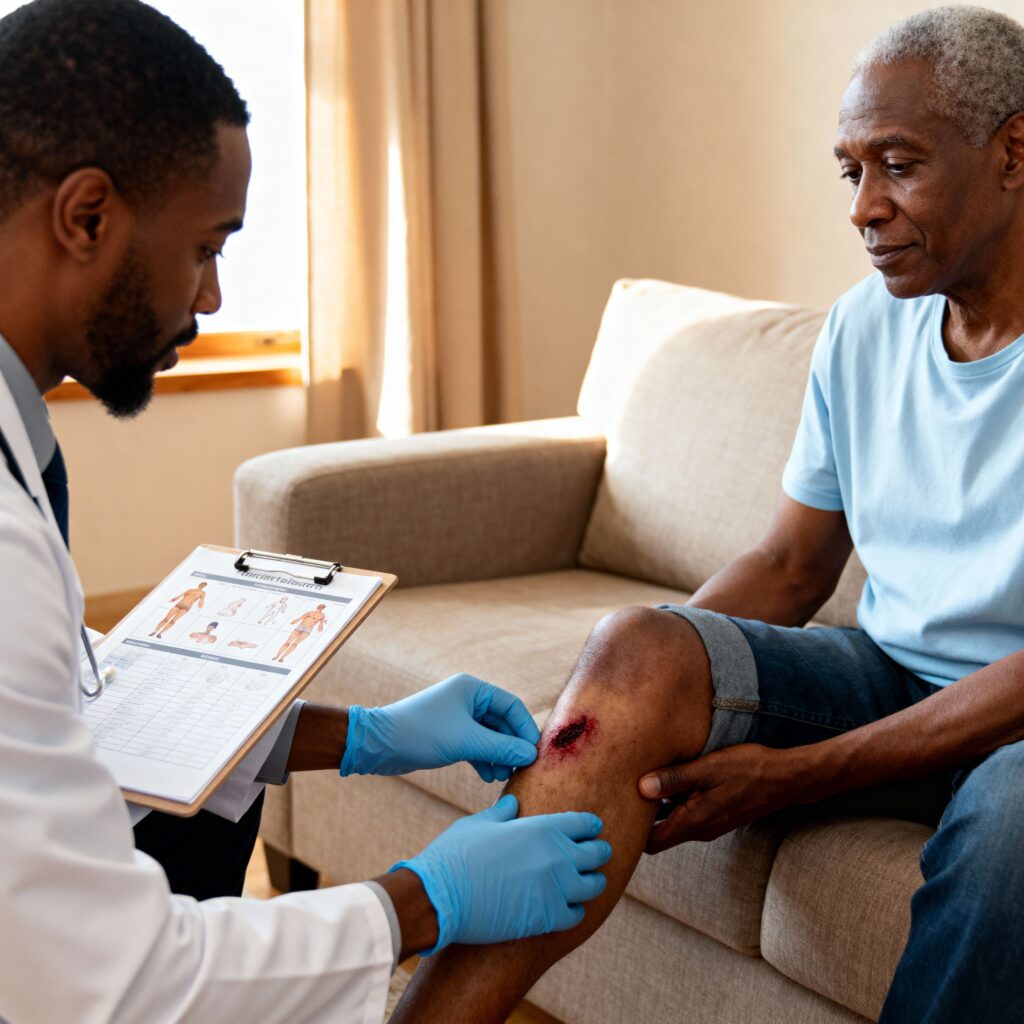
A wound care consultation is a detailed evaluation of your wound by a specialized wound care professional. Unlike brief exams during routine visits, our wound assessment at home provides the time and expertise needed to understand all factors affecting wound healing. This comprehensive evaluation forms the foundation for effective wound management.
During your consultation, we assess the wound site and underlying conditions such as circulation, nutrition, medications, and environmental factors influencing the healing process. A thorough physical examination of the wound and surrounding tissue helps establish a wound diagnosis to guide your treatment. Standardized wound assessment tools ensure accurate and consistent evaluation of wound characteristics, including wound margins and wound edges.
Wound healing is a complex process influenced by many factors both inside the body and in the environment.
Whether acute wounds, surgical wounds, or chronic wounds like pressure ulcers or venous stasis ulcers, the wound type affects healing speed. Chronic wound patients often face additional challenges like poor circulation or nerve damage, which can complicate wound healing and impede wound healing.
Age, nutrition, immune system function, and chronic diseases such as diabetes or peripheral artery disease impact healing. Poor nutrition and dehydration slow tissue growth and healthy granulation tissue formation. Compromised blood flow reduces oxygen and nutrient delivery, impeding the healing process and promoting poor wound healing.
Healthy blood vessels supply the wound bed with oxygen and nutrients critical for tissue repair. Vascular disease can cause non healing wounds and complicate recovery, including arterial ulcers.
Infection or dead skin (necrotic tissue) delays healing and increases complication risk. Signs of wound infection—redness, swelling, warmth, purulent drainage—should be promptly treated. Debridement removes dead tissue, and targeted antimicrobial therapies help prevent infection and promote wound healing.
Proper wound care and wound dressings maintain a moist environment that supports tissue growth and protects against contaminants. Advanced therapies like negative pressure wound therapy (NPWT) enhance healing by removing excess fluid, reducing bacteria, and improving blood flow.
Intrinsic factors include age, health, and nutrition; extrinsic factors include wound location, size, depth, foreign material, or repeated trauma. The condition of wound edges and surrounding skin also affects healing outcomes.
Wounds with exposed bone, tendon, or significant tissue damage require specialized care. Surgical wounds and burn wounds need careful monitoring to prevent wound breakdown and infection. Poor healing can result from inadequate care or underlying health issues.
Optimal wound healing requires a team approach. Regular wound assessments with standardized tools help identify barriers and tailor interventions. Wound care specialists, nurses, and healthcare providers collaborate to maintain skin integrity, healthy granulation tissue, nutrition, and blood supply.
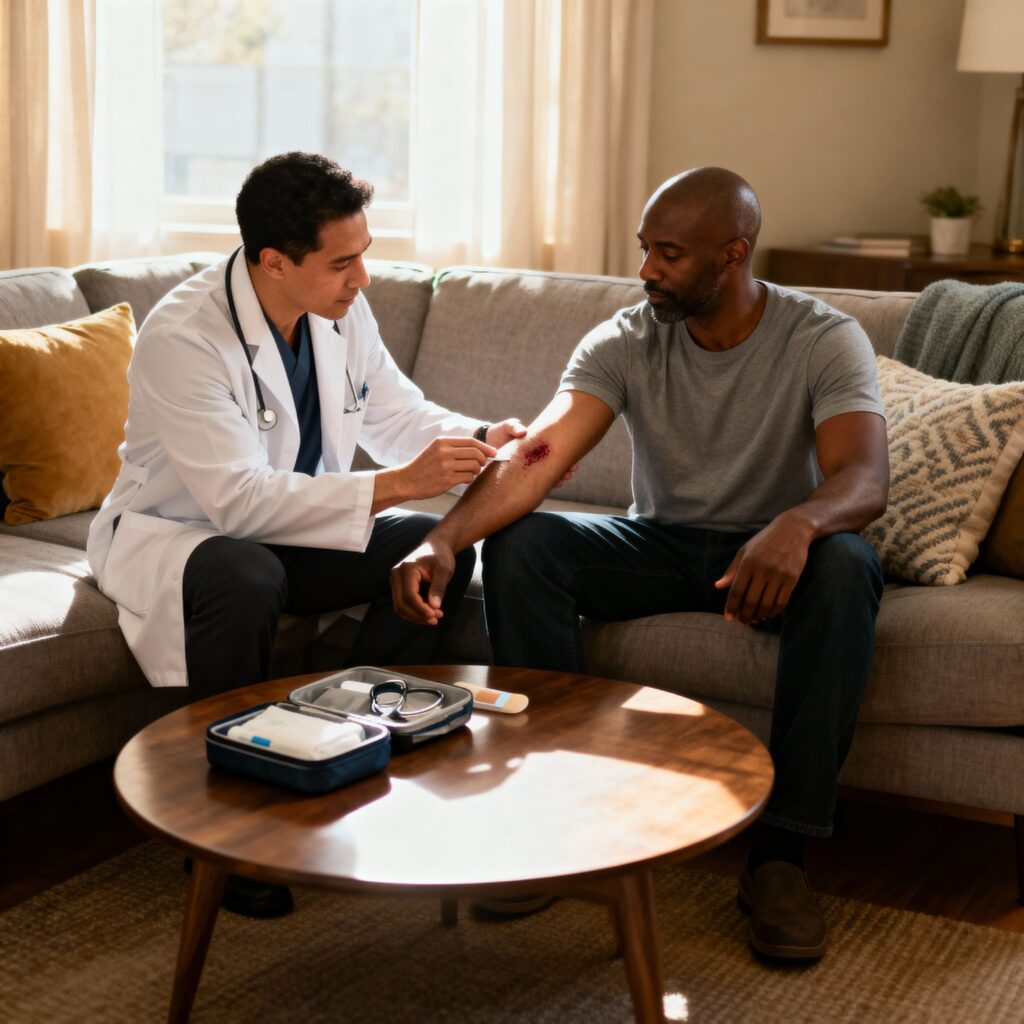
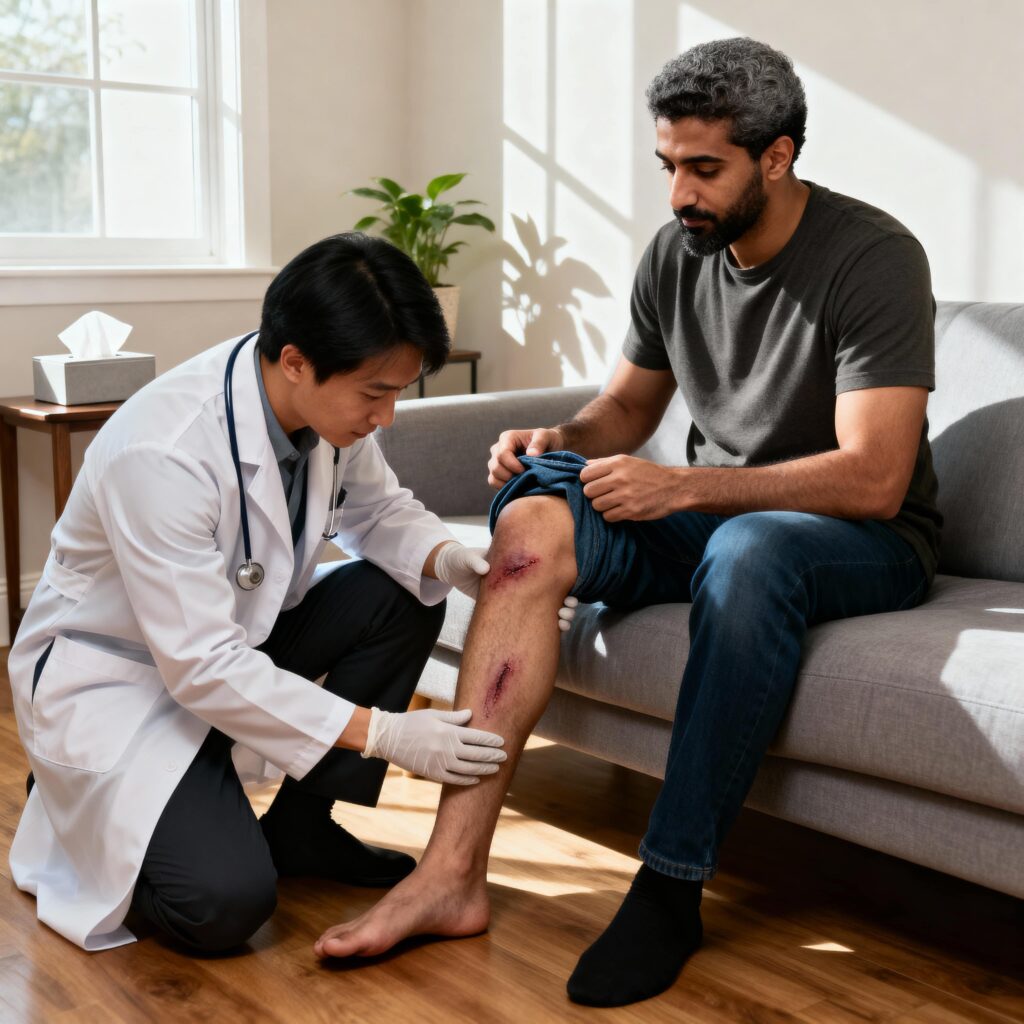
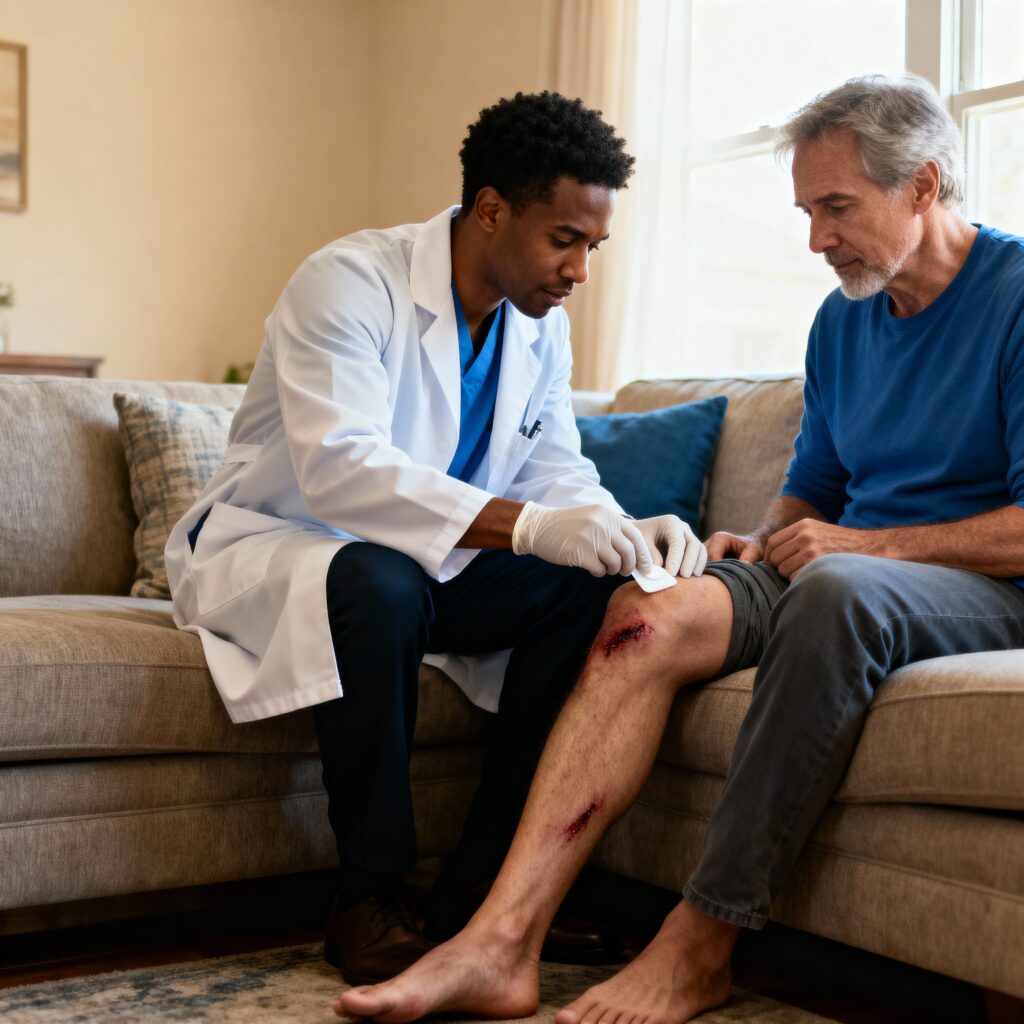
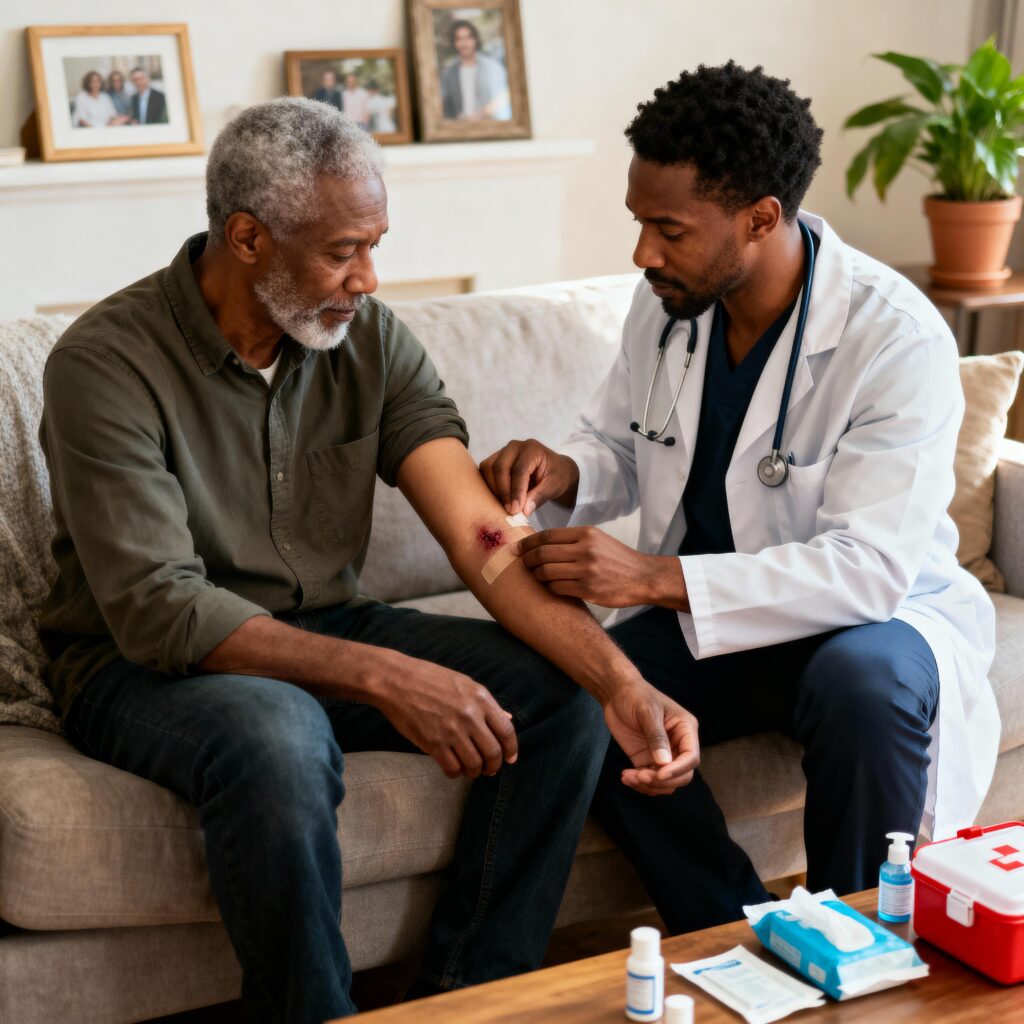
Our WOCN-certified specialist visits your home for a 60-90 minute wound assessment.
Based on assessment, we develop a personalized plan:
Expert Wound Care Consultation Across Vermont
Whether diabetic ulcer, pressure injury, surgical wound, or non-healing wound, our expert evaluation provides the foundation for effective healing.
Take the first step. Contact us today.